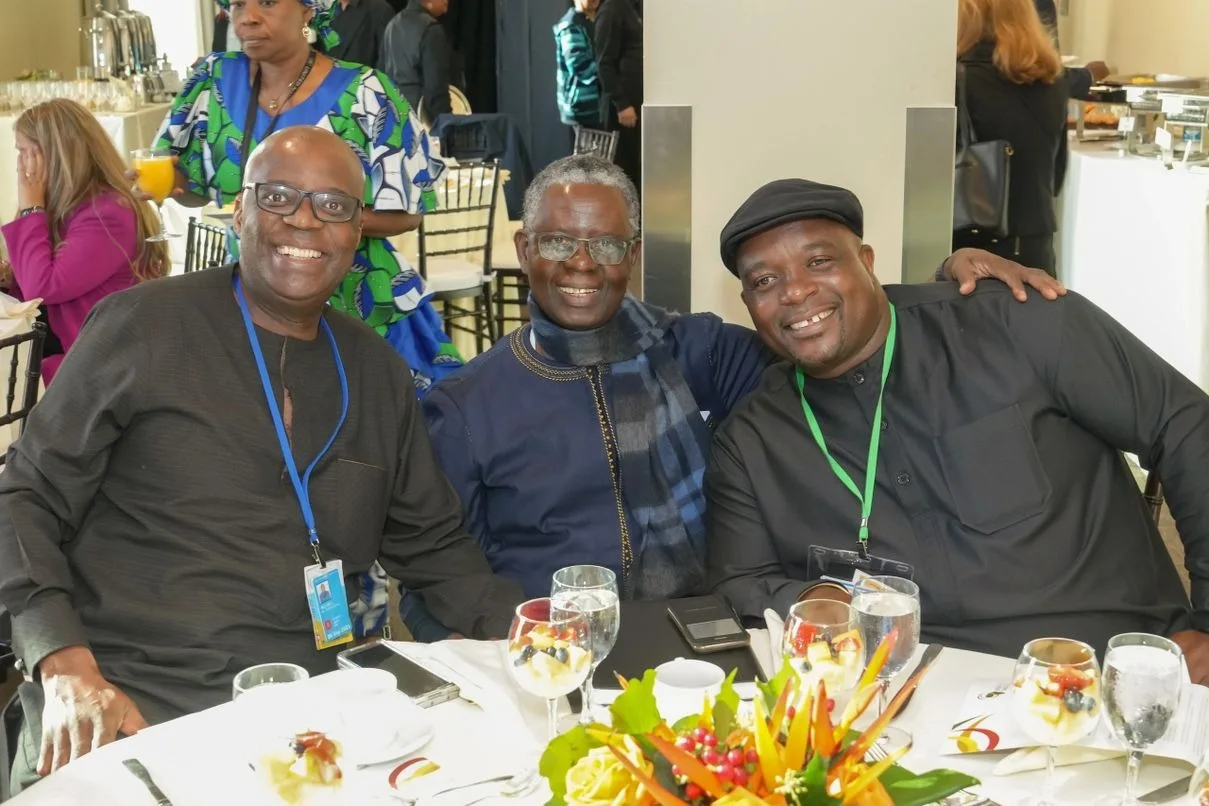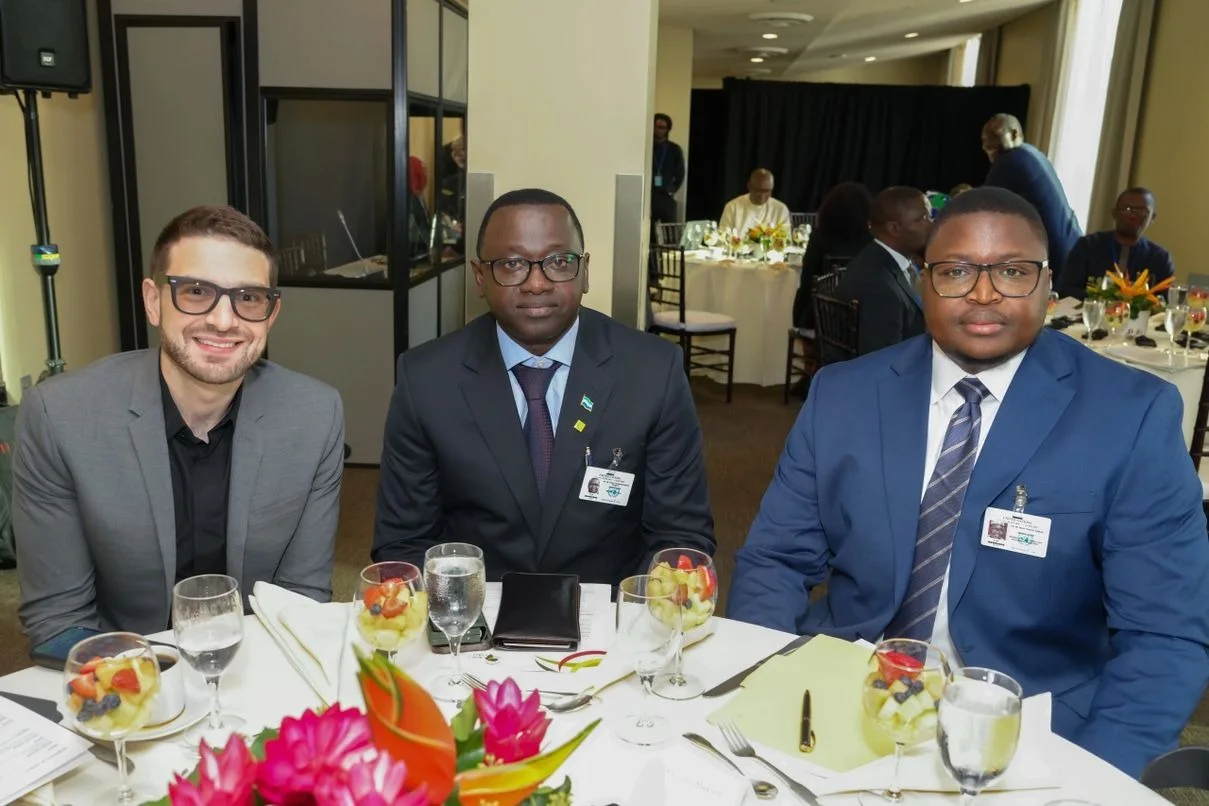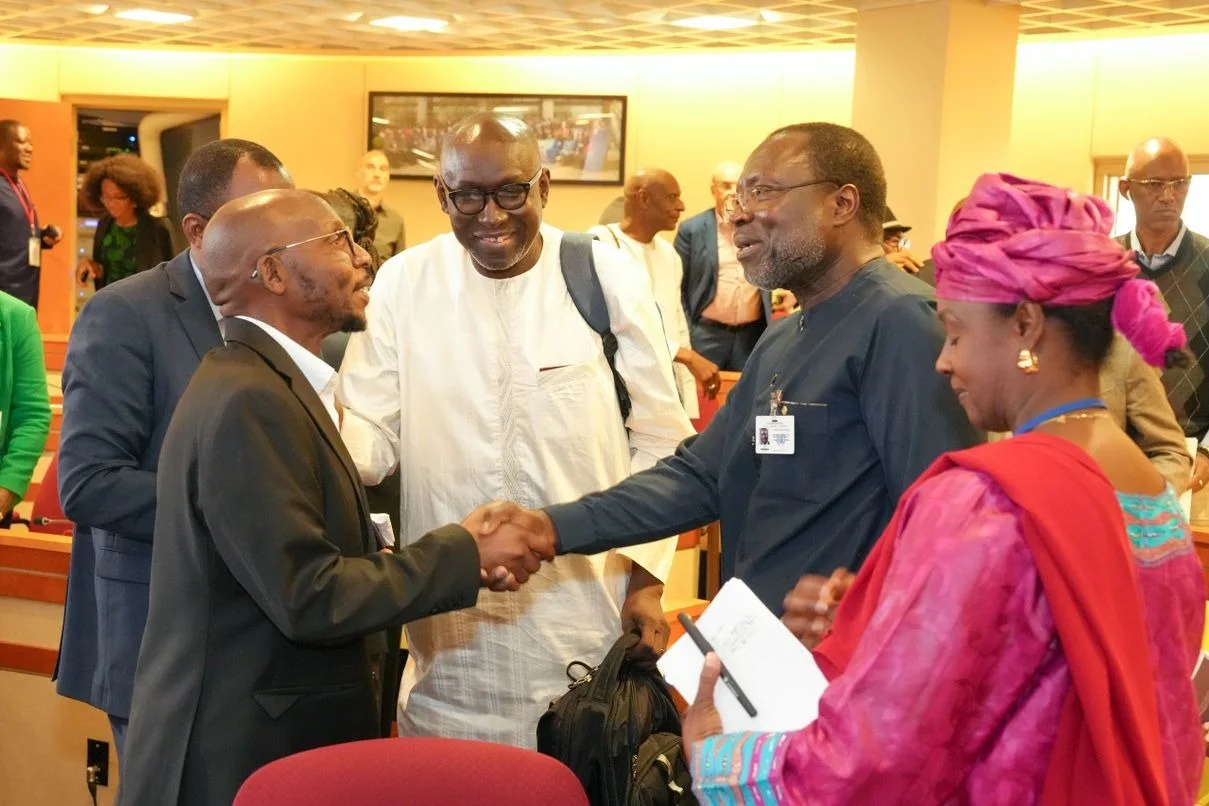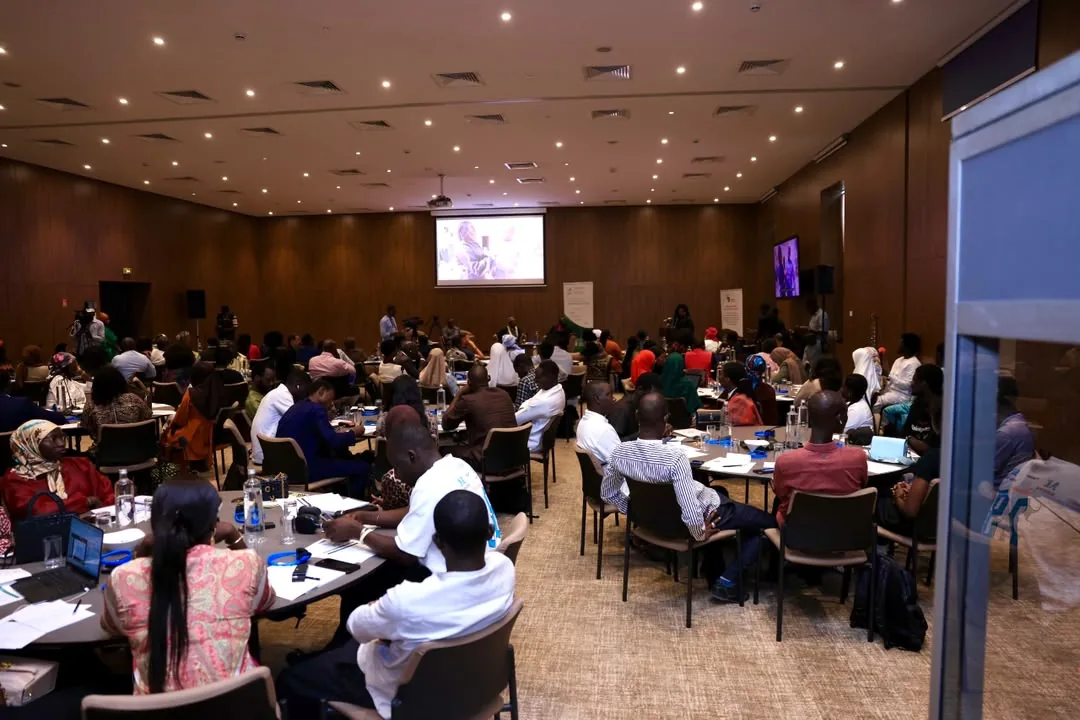
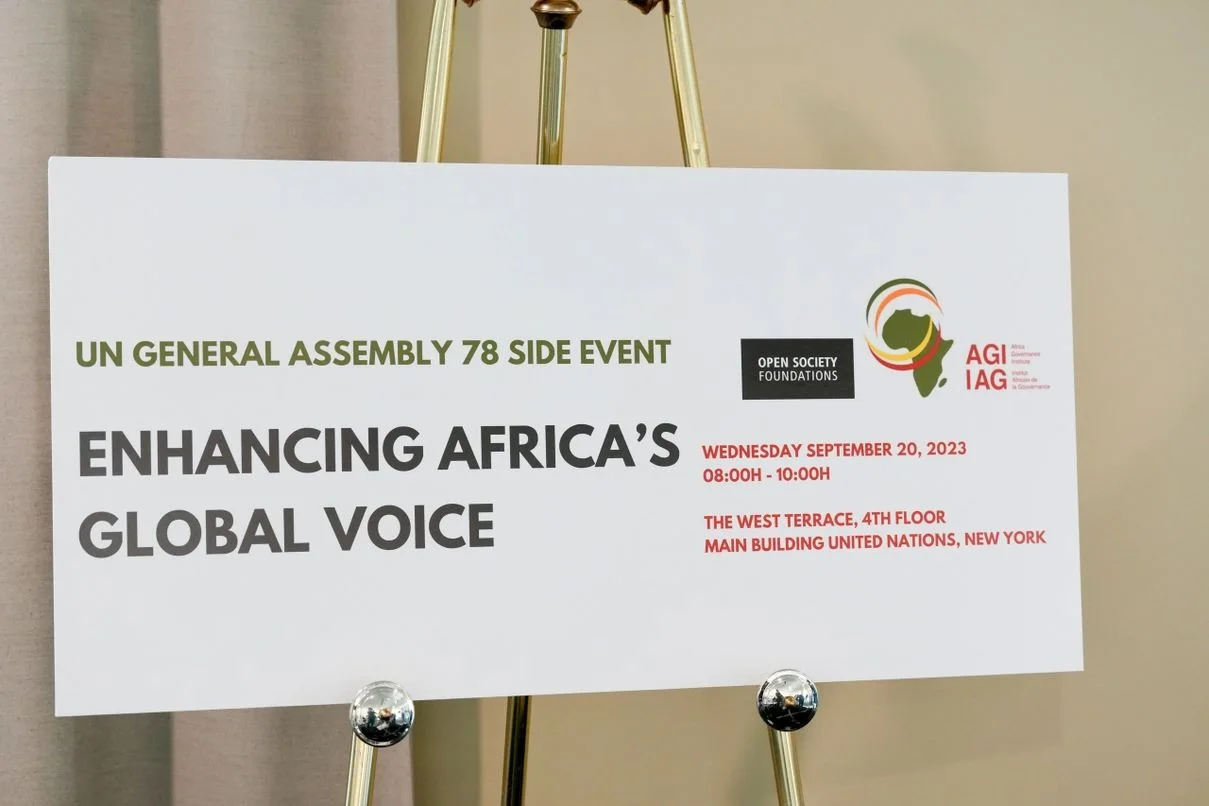
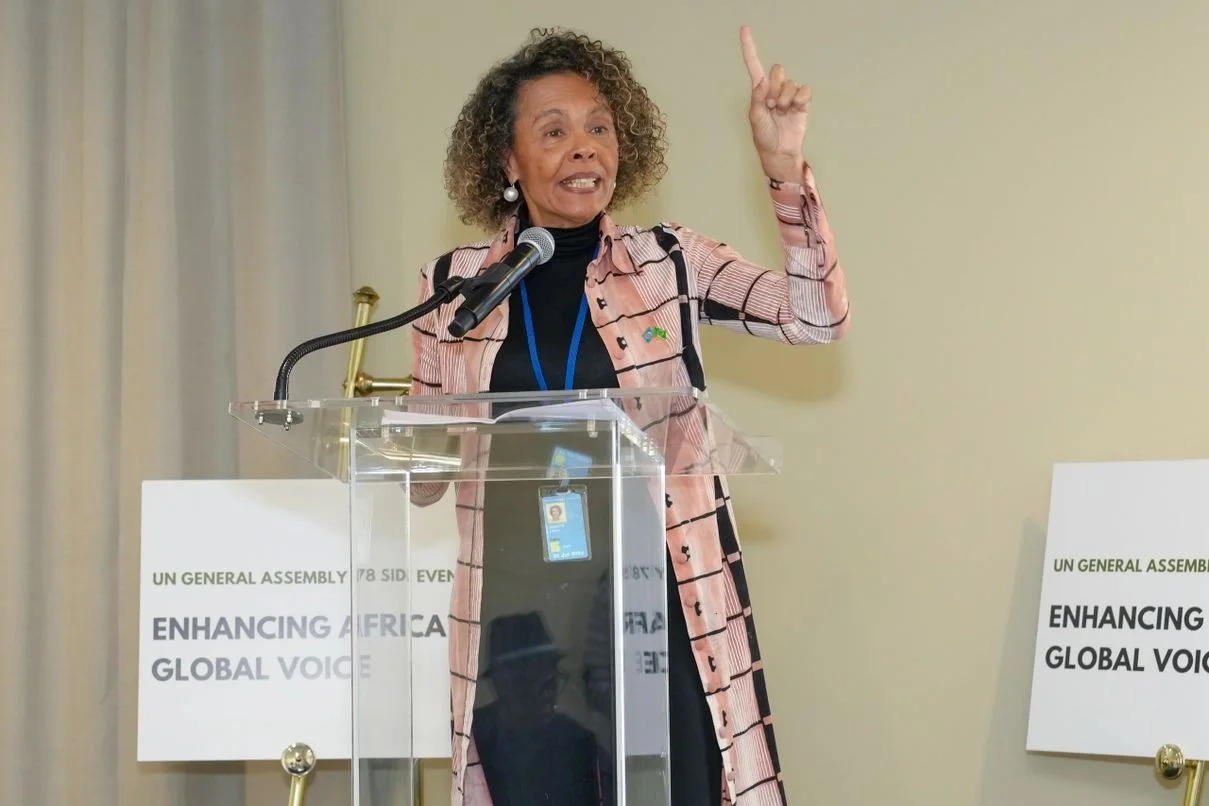
On 20 September 2023, on the margins of the 78th session of the United Nations General Assembly, the Africa Governance Institute convened a high-level side event in New York under the theme "Enhancing Africa's Global Voice". Held with the support of Open Society-Africa, the invitation-only meeting brought African Heads of State, policy makers, civil society representatives and institutional partners together to examine Africa's place in a rapidly changing multilateral order.
The event was the second in a series of dialogues on Africa's global voice and multilateralism. The first was held in Lusaka, Zambia, in March 2023, on the margins of the Summit for Democracy, in collaboration with the Institute for Security Studies. The New York edition ran across two venues in a single day: an opening ceremony and high-level session at the West Terrace of the UN Headquarters in the morning, followed by two panel discussions at the African Union offices in the afternoon.
The premise of the day
Global governance matters for Africa at a level not matched by its representation. To weigh in on reform, the continent needs a strong, coordinated and coherent voice in the forums where global rules are written.
Why this dialogue
The African Union's Agenda 2063 sets out the ambition of an integrated, prosperous and peaceful Africa that acts as a dynamic force in the international arena. The meeting opened from a clear observation: African positions remain underweighted at the United Nations Security Council, the Bretton Woods institutions, the G20 and the OECD, even as decisions taken in those forums shape the continent's economies and societies.
The programme set out to read the evolving global environment and its effect on African economies and societies, to weigh the options open to African states to strengthen leadership and governance, and to identify the partnerships and steps needed for a more effective African presence in multilateral forums. Reform of the global financial architecture, including taxation and illicit financial flows, and the implementation of the African Continental Free Trade Area featured among the structural questions on the table.
The high-level opening
The day opened at the West Terrace of the UN Headquarters with welcoming remarks from Dr. Abdoulie Janneh, Board Chairperson of the Africa Governance Institute, and Lord Mark Malloch-Brown, President of the Open Society Foundations. A high-level session followed, moderated by the SABC anchor Iman Rappetti, framed as a conversation on Africa's global voice within the context of multilateralism.
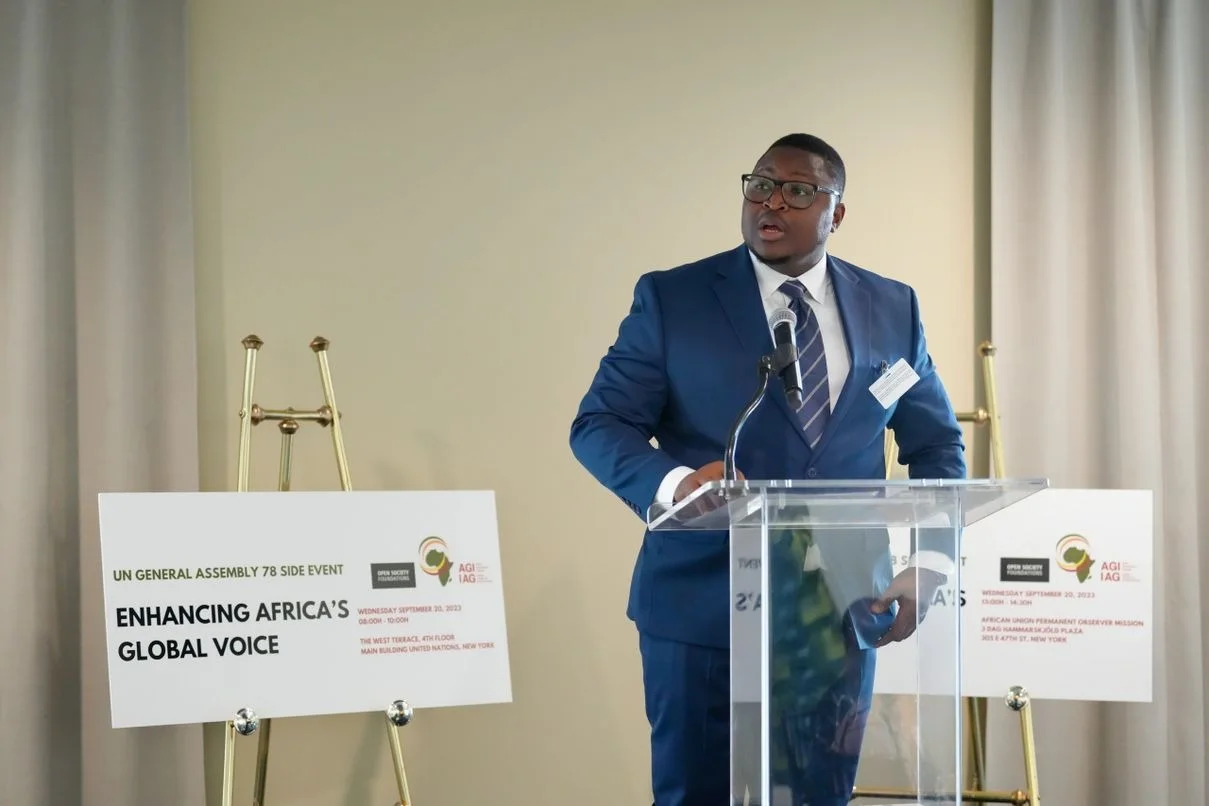
The opening conversation was built around four African Heads of State: H.E. Azali Assoumani, President of the Union of the Comoros and Chair of the African Union in 2023; H.E. Nana Akufo-Addo of Ghana; H.E. Macky Sall of Senegal; and H.E. Julius Maada Bio of Sierra Leone. Discussants included the Vice-President of Uganda, H.E. Jessica Alupo, the President of the ECOWAS Commission, H.E. Dr. Omar Alieu Touray, and the UN Under-Secretary-General and Special Adviser on Africa, H.E. Cristina Duarte.
Two panel discussions
The afternoon moved to the African Union offices for two moderated panels. The first asked whether the African Union can influence multilateral reform at a time of war in Ukraine and visible double standards in the international response to crises. It brought together Ambassador Bankole Adeoye, AU Commissioner for Political Affairs, Peace and Security; H.E. Demeke Mekonen, Deputy Prime Minister and Minister of Foreign Affairs of Ethiopia; and Ambassador Dr. Michael Imran Kanu, Permanent Representative of Sierra Leone to the UN.
The second panel turned to what the African Union's partnerships and priorities mean for the African citizen. It convened Ambassador Albert M. Muchanga, AU Commissioner for Trade and Industry; H.E. Dhoihir Dhoulkamal, Minister of Foreign Affairs of the Comoros; Dr. Donald Kaberuka, former President of the African Development Bank; and Dr. Chidi Anselm Odinkalu of the Fletcher School. Each panel closed with contributions from the floor, moderated throughout by Iman Rappetti.
Participants and partners
The meeting drew on representation from the United Nations, the African Union, regional bodies and civil society. Among those listed were H.E. Fatoumata Ndiaye, UN Under-Secretary-General for Internal Oversight Services; H.E. Ahunna Eziakonwa, UNDP Assistant Administrator and Regional Director for Africa; Professor Eddie Maloka, CEO of the APRM Continental Secretariat; and Dr. Ebrima Sall, Executive Secretary of Trust Africa. The Africa Governance Institute was represented by Dr. Abdoulie Janneh and Dr. Fode Ndiaye, Deputy Director-General. Open Society was represented at the highest level by Dr. Alexander Soros and Lord Mark Malloch-Brown.
Convened by the Africa Governance Institute with the support of Open Society-Africa, the New York dialogue continued a sustained effort to give Africa a stronger, more coordinated voice in the forums where global rules are written.
Report on the Enhancing Africa's Global Voice side event, convened by the Africa Governance Institute with the support of Open Society-Africa on the margins of the 78th United Nations General Assembly. New York, 20 September 2023.